Sala de premsa (502)

The oldest and most complete skeleton yet known for Homo habilis is described
13 Jan 2026
1273 times
An international research team has unveiled a significant discovery in human paleontology: an exceptionally well-preserved Homo habilis skeleton dating back more than 2 million years. The fossil, designated KNM-ER 64061, was recovered from East Turkana in northern Kenya, and constitutes the most complete postcranial evidence of Homo habilis known to…

Un equip internacional de recerca ha donat a conèixer un esquelet excepcionalment ben conservat d’Homo habilis, amb una antiguitat de més de 2 milions d’anys. El fòssil, designat com a KNM-ER 64061, va ser recuperat a East Turkana, al nord de Kenya, i constitueix l’evidència postcranial més completa d’Homo habilis…

El precio de convertirse en un gigante y cómo los roedores de las Islas Canarias perdieron sus sentidos
15 Jan 2026
5120 times
Las ratas gigantes de Canarias del género Canariomys habitaron estas islas volcánicas del Atlántico desde el Pleistoceno hasta aproximadamente el siglo IV a. C. Eran enormes en comparación con su pariente vivo más cercano, la rata de la hierba africana. Ahora, un nuevo estudio del Institut Català de Paleontologia Miquel…

The price of becoming a giant and how Canary Islands rodents lost their senses
15 Jan 2026
236 times
The Canary Islands giant rats of the genus Canariomys roamed these Atlantic volcanic islands from the Pleistocene to just the 4th century BCE, and were huge compared to their closest living relative, the African grass rat. Now, a new study from the Institut Català de Paleontologia Miquel Crusafont (ICP-CERCA) and…
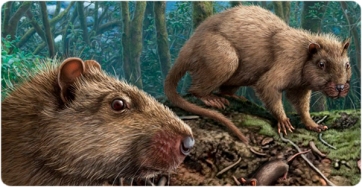
El preu d’esdevenir un gegant i com els rosegadors de les Illes Canàries van perdre els seus sentits
El preu d’esdevenir un gegant i com els rosegadors de les Illes Canàries van perdre els seus sentits
15 Jan 2026
396 times
Les rates gegants de les Canàries del gènere Canariomys van habitar aquestes illes volcàniques de l’Atlàntic des del Plistocè fins aproximadament el segle IV aC. Eren enormes en comparació amb el seu parent viu més proper, la rata de l’herba africana. Ara, un nou estudi de l’Institut Català de Paleontologia…

The ICP has launched a new platform for donations, patronage, and sponsorship to bring paleontological research closer to society and encourage public participation. Contributions can be one-time or recurring, directed to general or specific projects, with significant tax benefits. This initiative supports research, heritage preservation, and the center’s scientific outreach…

El ICP ha lanzado una nueva plataforma de donaciones, mecenazgo y patrocinio para acercar la investigación paleontológica a la sociedad y fomentar la participación ciudadana. Las aportaciones pueden ser puntuales o recurrentes, dirigidas a proyectos generales o específicos, con importantes beneficios fiscales. Esta iniciativa permite apoyar la investigación, la preservación…

L’ICP ha llançat una nova plataforma de donacions, mecenatge i patrocini per apropar la recerca paleontològica a la societat i fomentar la participació ciutadana. Les aportacions poden ser puntuals o recurrents, dirigides a projectes generals o específics, amb importants beneficis fiscals. Aquesta iniciativa permet donar suport a la recerca, a…
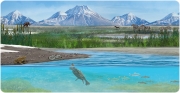
The Dursunlu site (Turkey) is key to understanding the first human settlements in the Near East. A study published in Diversity has reconstructed the paleoenvironment in which these populations lived around 900,000 years ago. The research revealed the presence of an ancient shallow, nutrient-rich lake, surrounded by marshy areas and…

Así era el lago fósil de Turquía que acogió a los homininos en periodo glacial
11 Dec 2025
8226 times
El yacimiento de Dursunlu (en Turquía) es clave para entender los primeros asentamientos humanos en Oriente Próximo. Un estudio publicado en Diversity ha reconstruido el paleoambiente en el que vivieron estas poblaciones hace unos 900.000 años. La investigación ha revelado la presencia de un antiguo lago somero y rico en…